


Air Canada Expands Its US Network with Three New Routes in May 2026
Air Canada is once again demonstrating its commitment to measured yet meaningful growth in the North American aviation market, unveiling plans for three brand-new routes to the United States that will begin in May 2026. Rather than opting for flashy, large-scale expansions that flood markets with excessive capacity, the airline is choosing a carefully calculated approach—one that balances demand, connectivity, and long-term sustainability. This latest move strengthens Air Canada’s cross-border presence while ensuring its network evolves in line with real-world travel patterns.
The announcement underscores a central theme in Air Canada’s strategy: disciplined expansion. The airline is not simply chasing growth for its own sake but is instead making decisions that serve both its passengers and its network. By opening service from Toronto to San Antonio and from Montreal to Cleveland and Columbus, Air Canada is creating new bridges between Canadian hubs and strategic US cities. Each of these routes has been chosen with a clear purpose, targeting a blend of leisure, corporate, and visiting-friends-and-relatives traffic while simultaneously feeding passengers into Air Canada’s extensive global system.
Breaking Down the New Connections
Beginning on May 1, 2026, Air Canada will begin operating three new spokes in its cross-border portfolio. The first addition is a thrice-weekly service between Toronto Pearson International Airport (YYZ) and San Antonio International Airport (SAT). This marks a significant milestone for the airline, as San Antonio becomes a brand-new destination in the Air Canada network. Operated by the Airbus A220, this flight will feature roughly 137 seats per departure, offering both economy and premium cabin experiences.
The A220 is a modern, fuel-efficient aircraft that aligns perfectly with the characteristics of this market: medium demand, moderate distance, and a passenger mix that includes both business and leisure travelers. San Antonio’s strong cultural appeal and role as an economic hub make it an attractive option for Canadians, while the route also allows business travelers from Texas to connect seamlessly into Toronto’s global network.
Meanwhile, Air Canada is also investing in Ohio, with daily flights from Montréal–Trudeau International Airport (YUL) to Cleveland Hopkins International Airport (CLE) and John Glenn Columbus International Airport (CMH). These services will be flown using the Embraer E175, a 76-seat regional jet that offers flexibility, cost efficiency, and reliability. The aircraft’s size is perfectly suited to these routes, which are expected to generate steady corporate demand while also accommodating leisure and VFR (visiting-friends-and-relatives) traffic.
By pairing these Ohio routes with Montreal’s strong transatlantic connectivity, Air Canada ensures that passengers from Cleveland and Columbus gain easy access not just to Canada but also to Europe and beyond. This design highlights Air Canada’s dual focus: connecting smaller yet important US markets to its Canadian hubs and simultaneously feeding those hubs with international traffic.
Why These Routes Are Strategic
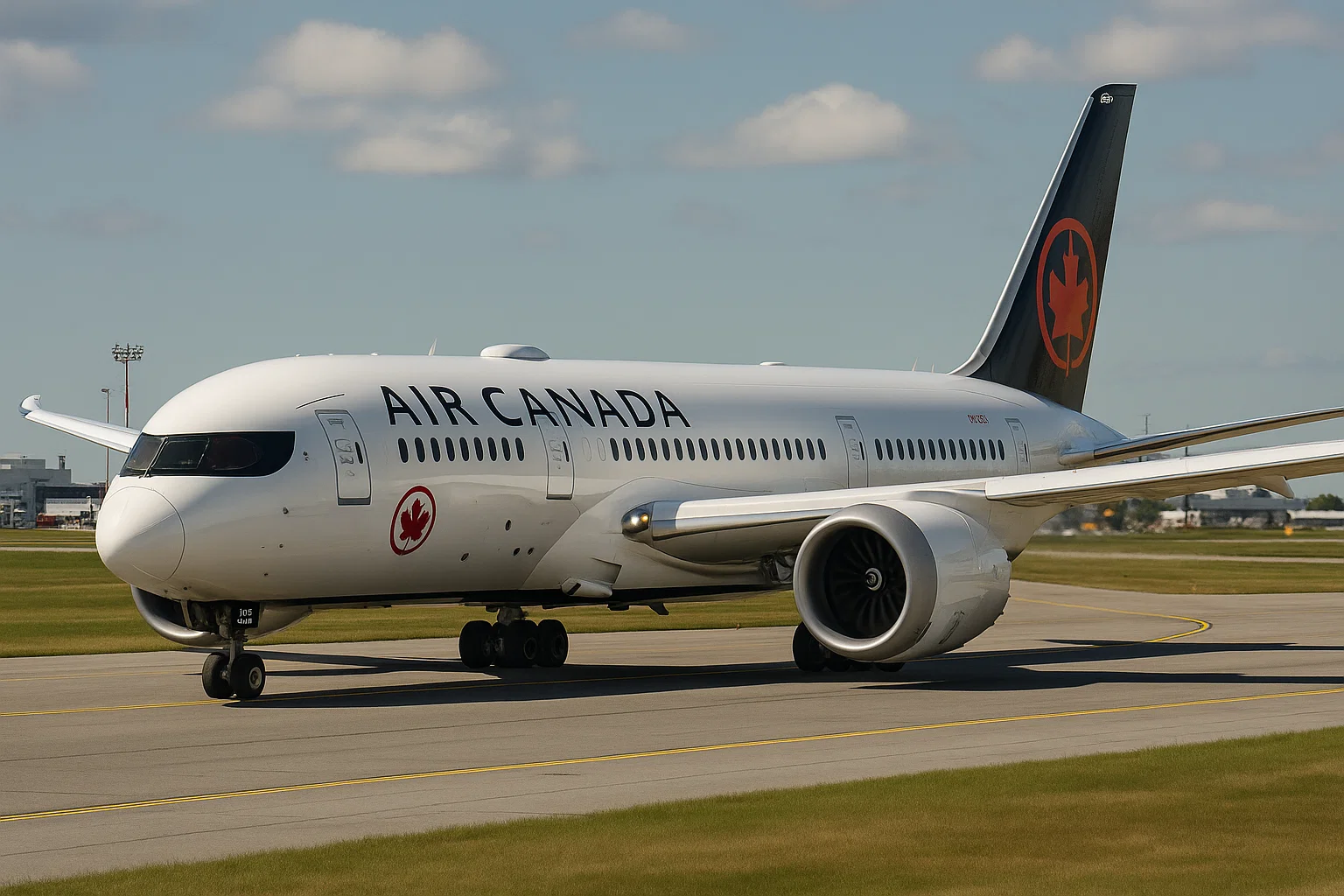
On the surface, these additions may not look like monumental expansions. But in reality, they represent a highly strategic approach to network growth. Each city plays a unique role within Air Canada’s broader ecosystem.
-
San Antonio introduces Air Canada to a southern US market with both tourism and business potential. For Canadian leisure travelers, the city offers cultural richness, historic attractions, and year-round warm weather. For business travelers, San Antonio represents a gateway into Texas’s growing economy.
-
Cleveland and Columbus, on the other hand, extend Montreal’s reach deeper into the US Midwest. Both cities boast robust corporate demand, which pairs naturally with Air Canada’s premium cabin offerings. At the same time, they offer opportunities for VFR traffic and contribute valuable feeder passengers into Air Canada’s long-haul services.
Equally important is the way these flights are scheduled. Air Canada has carefully aligned their timings with its Toronto and Montreal hub banks, ensuring smooth connections to Europe, Asia, and across Canada. For passengers in Ohio or Texas, this means that flying Air Canada to reach destinations like Paris, Frankfurt, or Vancouver becomes far more seamless, reducing layover times and enhancing the overall travel experience.
Growth with Discipline
What truly sets this expansion apart is its underlying philosophy of disciplined growth. Air Canada has learned from past industry cycles that reckless capacity increases can lead to unsustainable outcomes. Instead, the airline is using its resources in a deliberate and efficient manner, deploying aircraft that are “right-sized” for each market.
The Airbus A220 has become central to Air Canada’s strategy, offering a unique balance of efficiency, range, and passenger comfort. Its economics make it ideal for long-and-thin routes like Toronto–San Antonio, where demand exists but cannot justify a larger aircraft. Similarly, the Embraer E175 allows Air Canada to test and sustain markets like Cleveland and Columbus without overcommitting. This tailored approach keeps the airline competitive while minimizing financial risk.
By matching supply to demand, Air Canada also safeguards its yields and maintains flexibility. Seasonal fluctuations—such as leisure peaks to San Antonio or corporate travel lulls in Ohio—can be managed effectively because of the smaller, efficient aircraft in use. In other words, the airline is not just adding flights; it is adding them in a way that protects long-term profitability.
Impact on the US–Canada Market
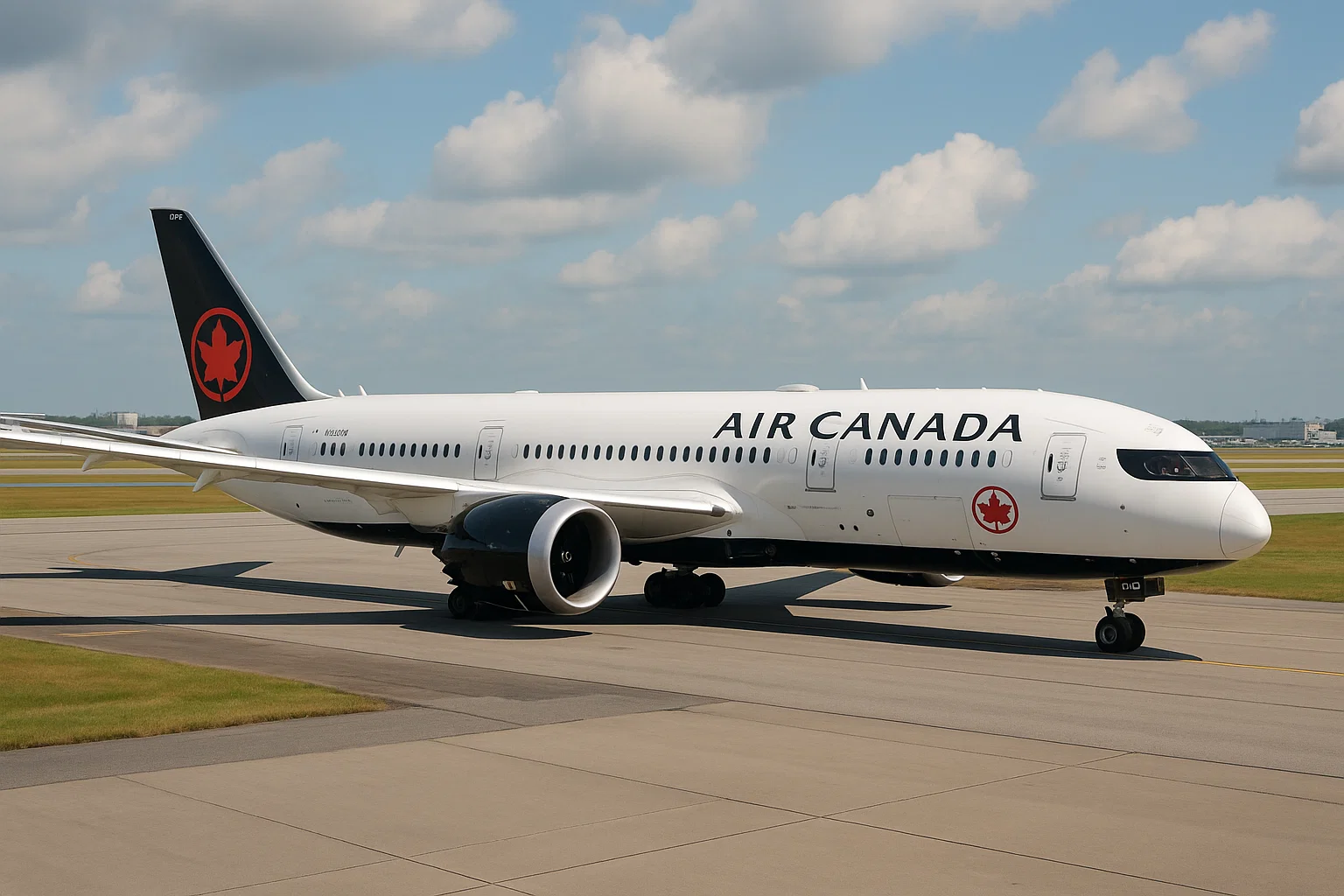
For travelers, the addition of these three new services means more options, stronger connectivity, and smoother journeys across the border. Air Canada is positioning itself as the airline of choice for passengers who value convenience paired with global reach. By extending its network into secondary US markets, the airline isn’t just serving local demand but also reinforcing its international gateways.
This strategy also strengthens Air Canada’s ability to compete with major US legacy carriers like United, Delta, and American Airlines. While those carriers dominate many cross-border markets, Air Canada leverages its hub connectivity in Toronto and Montreal to offer something unique: seamless access not just to Canada but to Europe and Asia as well. That connectivity advantage makes Air Canada particularly attractive to both premium and leisure travelers.
Looking Ahead
Though modest in scale compared to larger expansions, these three new US routes represent a significant step in Air Canada’s long-term vision. The airline is methodically shaping a network that is resilient, balanced, and global in scope.
Of course, challenges remain. Demand fluctuations in Ohio’s corporate market, seasonal travel patterns to San Antonio, and competitive responses from rivals are all factors that will determine the ultimate success of these routes. Yet Air Canada’s cautious deployment of capacity and its deliberate reliance on efficient aircraft provide a strong foundation to weather these challenges.
For passengers, the message is clear: Air Canada is committed to offering more options, greater connectivity, and smarter travel pathways. Whether flying for business, leisure, or connections to global destinations, travelers can expect Air Canada to continue growing thoughtfully, without sacrificing service or reliability.
Conclusion
Air Canada’s launch of new routes to San Antonio, Cleveland, and Columbus in May 2026 represents more than just an addition to its map—it embodies the airline’s philosophy of strategic, disciplined expansion. By selecting efficient aircraft, aligning schedules with international hubs, and choosing markets with balanced demand profiles, Air Canada is reinforcing its position as a leader in cross-border aviation.
For travelers, these routes mean better connectivity between the US and Canada, new opportunities for both business and leisure journeys, and seamless access to Air Canada’s global network. For the airline, they mark another step toward sustainable growth and long-term competitiveness in an evolving aviation landscape.
With this carefully measured expansion, Air Canada is showing that it knows how to grow wisely, serve strategically, and connect seamlessly—qualities that will define its network strategy well into the future.
